What is SEO?
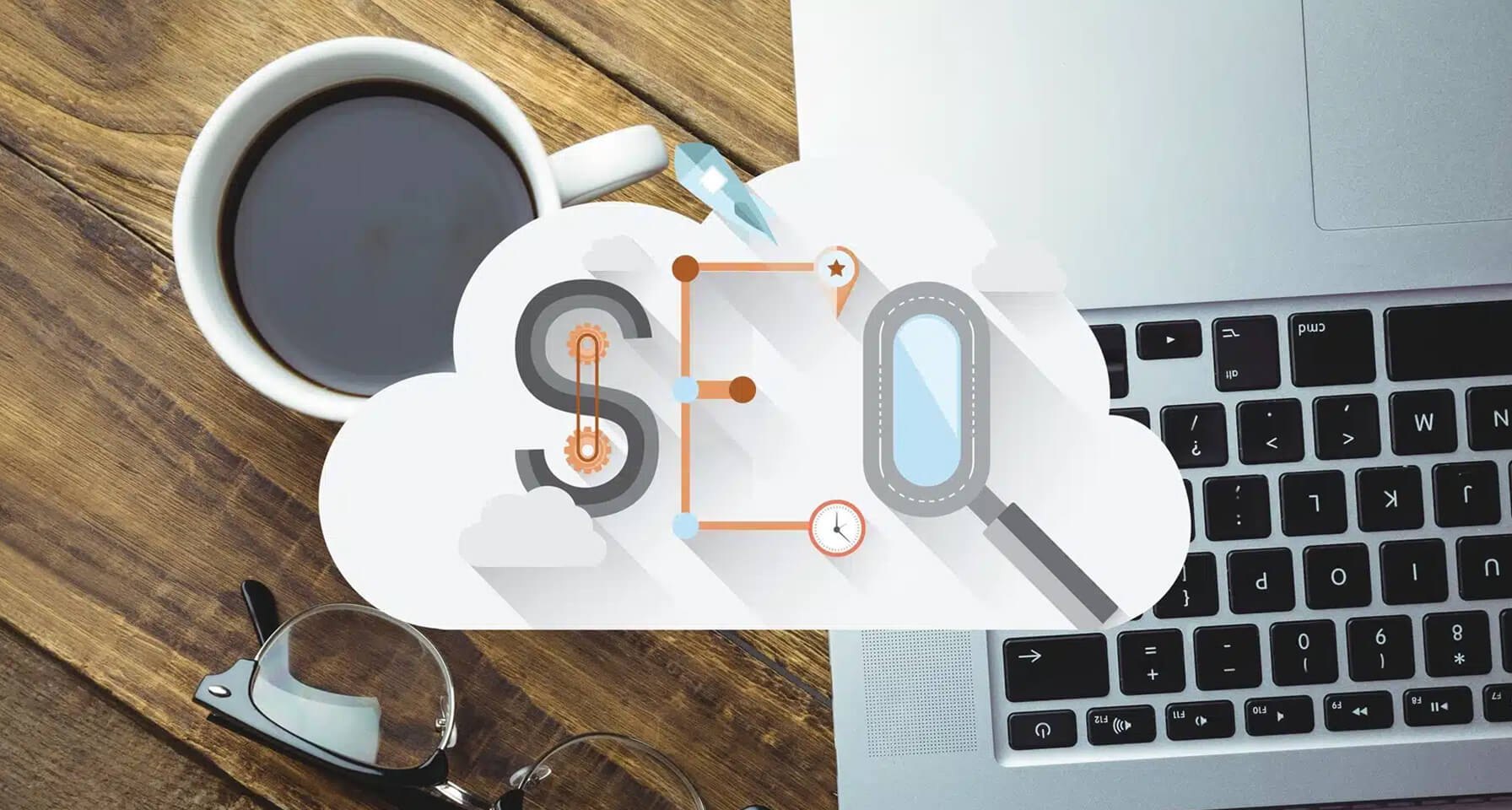
Search Engine Optimization (SEO) is the art (and science) of ranking your website on search engines like Google — organically. No ad dollars, just brainpower, content, and strategy.
Imagine SEO as a long-term relationship. You show up, provide value, and Google rewards you with trust and visibility over time.
Core Elements of SEO:
- On-page SEO: Keywords, content, meta tags, and internal links.
- Technical SEO: Site speed, mobile-friendliness, indexing, structured data.
- Off-page SEO: Backlinks, brand mentions, digital PR.
Pros of SEO:
✅ Long-lasting traffic
✅ Builds trust and credibility
✅ Lower cost over time
✅ Compounds growth
Cons of SEO:
⏳ Takes time to show results
🔧 Needs regular updates
📈 Requires consistency and patience
What is SEM?
Search Engine Marketing (SEM) is like SEO's fast-paced cousin — powered by paid ads. You bid for keywords and appear instantly on top of search results.
Google Ads is the biggest player in the SEM world, but it also includes Bing Ads and other platforms.
Types of SEM:
- Search Ads: Appear above organic results
- Display Ads: Banner ads on websites
- Shopping Ads: For eCommerce products
- Remarketing Ads: Show to previous visitors
Pros of SEM:
⚡ Instant visibility
🎯 Laser-targeted audiences
📊 Easy to track ROI
💼 Scalable campaigns
Cons of SEM:
💰 Can get expensive fast
🛑 Traffic stops when budget stops
🤖 Click fraud and ad fatigue
📉 Short-term unless optimized well
SEO vs SEM: The Key Differences
Let's break it down like a good ol' boxing match:
SEO in the blue corner, SEM in the red.
| Feature |
SEO |
SEM |
| Traffic Source |
Organic |
Paid |
| Cost |
Time & effort, lower cost long-term |
Pay-per-click, ongoing costs |
| Speed |
Slow and steady |
Fast and immediate |
| Sustainability |
Long-lasting |
Short-term unless constantly funded |
| Trust |
Higher user trust |
Perceived as ads |
| Click-Through Rate |
Often higher than ads |
Lower than organic (but varies) |
So when it comes to SEO vs SEM, it's not a matter of better — it's about what suits your goals, budget, and timeline.
SEO vs SEM: When to Use What?
Let's make this fun. Think of your marketing goals like ordering food:
🍜 Need Instant Noodles? Go for SEM — quick results, instant satisfaction.
🥘 Want Slow-Cooked Stew? Choose SEO — takes time, but deeply satisfying.
Here's a more practical breakdown:
Choose SEO if:
- You want long-term visibility
- You have a limited ad budget
- You're building brand authority
- You want to reduce customer acquisition cost over time
Choose SEM if:
- You want instant results
- You're launching a new product or promotion
- You're testing keyword demand
- You have a bigger short-term budget
Bonus tip: Start with SEM to test the waters, then use insights to fuel your long-term SEO strategy.
Can SEO and SEM Work Together?
Absolutely — and when they do, it's magic. Combining SEO and SEM is like fueling a rocket (SEM) while building a satellite (SEO).
Here's how they can complement each other:
- Use SEM to identify high-converting keywords, then optimize your site with SEO.
- Use SEO to lower your cost-per-click (CPC) over time by improving Quality Scores.
- Retarget organic traffic with SEM ads to bring visitors back.
When SEO and SEM are aligned, you get maximum SERP (Search Engine Results Page) coverage — that means double the visibility, double the clicks.
The ROI Factor: SEO vs SEM
Let's talk money. Because that's what your boss will ask, right?
SEO ROI is like investing in property. It appreciates over time.
SEM ROI is like renting a billboard — effective, but you're paying as long as it's up.
Example:
- A well-ranked SEO page might bring in 10,000 organic visits/month — for years — at no extra cost.
- A high-performing SEM campaign might bring in 10,000 visits too, but costs RM5,000/month in ad spend.
Bottom line: SEO pays off big in the long run. SEM gives faster wins — but at a recurring price.
Final Verdict: SEO vs SEM?
Here's our take: Don't choose SEO vs SEM. Choose SEO and SEM — but time them smartly.
If you're just starting out or launching something new, kick things off with SEM. Run smart ads, test messages, and capture quick wins.
At the same time, invest in SEO. Build content, earn links, and optimize your site structure. SEO is your brand's digital foundation — strong, scalable, and sustainable.
So rather than picking sides in the SEO vs SEM battle, think like a strategist:
💡 Use SEM to drive the now. Use SEO to own the future.
FAQs: Clearing the Fog on SEO vs SEM
Q: Is SEO cheaper than SEM?
Yes, in the long run. SEO involves upfront effort, but once you rank, the traffic is free.
Q: How long does SEO take to work?
It usually takes 3–6 months to see noticeable results, depending on your niche and competition.
Q: Can I stop SEO once I rank?
Not recommended. SEO needs ongoing effort — Google loves fresh content and updated sites.
Q: Should startups focus on SEO or SEM first?
Start with SEM for immediate traction, but don't skip SEO — it's your long-term growth engine.
Ready to Rank or Roll Ads?
If you're still stuck choosing between SEO vs SEM, ask yourself:
- What's your budget?
- What's your timeline?
- Are you building a brand or promoting a campaign?
At the end of the day, it's not about SEO versus SEM — it's about how you can combine both to build a powerful, profitable digital presence.
Need help crafting a smart strategy that blends the best of both worlds? Let's chat.